YAWK
- Commercial Director
- Film Director
- Creative Director
Documentary Film Production Morocco | YAWK Marrakech
Documentary film production Morocco work starts from a different premise than a commercial: you don’t control the subject, you earn access to it. The camera follows real people, real places, and events that won’t repeat on request, and the film is built from what actually happened rather than from a script written in advance. That changes how a project is researched, shot, and edited from the first conversation.
Thank you for reading this post, don't forget to subscribe!What Documentary Film Production Involves in Morocco
A documentary lives or dies on access and trust. Before any shoot day, the work is research: understanding the subject, meeting the people who will be on camera, and agreeing what can and can’t be filmed. Permissions and logistics are worked out during pre-production, not on the day, because a documentary crew can’t pause a real event to wait for an answer.
The crew is usually small. Fewer people on set means subjects behave naturally and the camera stays unobtrusive, which matters more here than in any staged production. Shoot schedules also run differently: instead of a fixed call sheet, days follow the subject, with long stretches of waiting and short windows where everything happens at once. Morocco adds its own layers. Interviews can move between Arabic, Darija, Amazigh languages, and French in a single conversation, so subtitling and translation are planned into the edit from the start rather than added at the end.
The edit is where a documentary is actually written. Hours of footage become a structure, and the final film is shaped as much by what is left out as by what is kept. That is why documentaries take longer than commercials of the same screen time.
Why YAWK for Documentary Film Production Morocco Projects
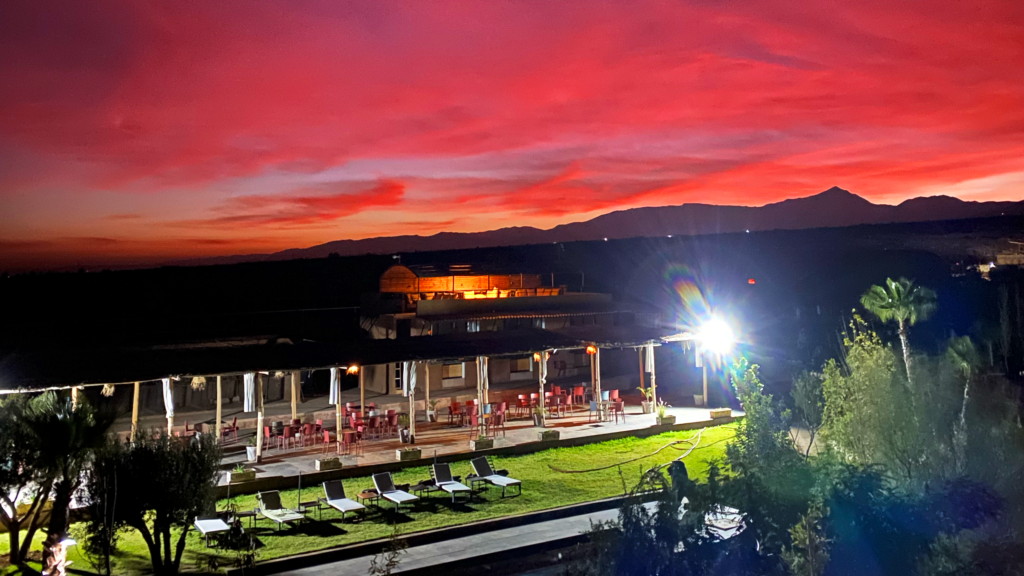
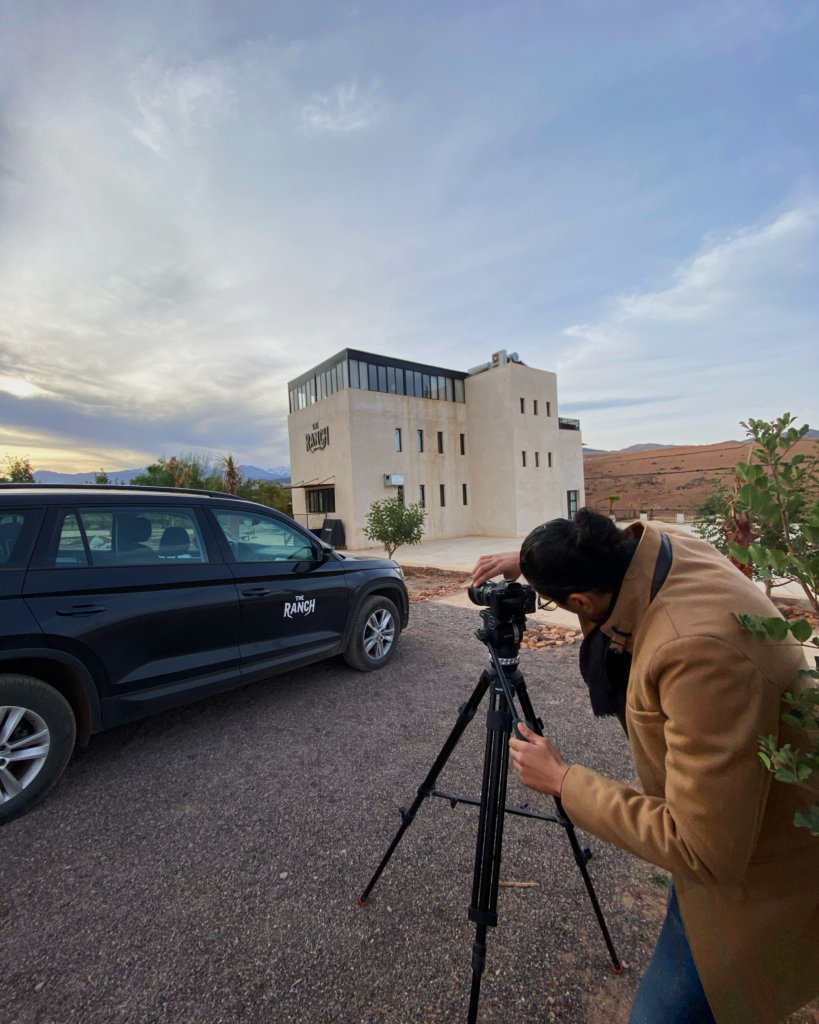
YAWK produced a 1h40 documentary for The Ranch Marrakech, published on The Ranch’s own YouTube channel. Shorter field projects show the same approach at a smaller scale: we shot the behind-the-scenes of Médecins du Monde’s campaign around Marrakech and Imlil — see the BTS — and the behind-the-scenes of Ayra Starr and Rema’s “Who’s Dat Girl” in Marrakech — see that project. Both are documentary-style work: observing a real production as it happens, without staging it.
That observational discipline is part of the standard described on our Philosophy page, and it’s why our film crew services in Morocco can scale down to a minimal unit when a documentary needs one.
Types of Documentary We Produce
Brand and corporate documentaries tell a company’s story through its people and places rather than through a script. They sit alongside the work covered in our corporate film production guide, which already includes brand documentaries as part of that offer.
Institutional and field documentaries follow programs, communities, and teams on the ground, often outside Marrakech and without production infrastructure nearby.
Behind-the-scenes and making-of films document a production while it is made, as in the two projects above. The same approach applies to inaugurations and large events, which we cover in our event video production guide.
Planning a Documentary Shoot in Morocco
Location and season shape a documentary more than a studio production. Mountain and desert locations, such as the Atlas, Agafay, and Merzouga, bring weather and light that change by the hour, and winter conditions at altitude can close access entirely. Planning the shoot around the subject’s own calendar, whether that’s a harvest, a festival, or a program milestone, matters more than fitting the subject into a convenient date. Build in extra days: the footage that makes a documentary is often what happens on day three, not day one.
Budget and Timeline for Documentary Production
Cost depends on total length, number of shoot days, locations, crew size, and the amount of post-production, which is the largest line in most documentary budgets. The variables behind any production quote are covered in our corporate video cost guide for Morocco. Timelines run in months rather than weeks, with the edit usually taking longer than the shoot itself. Deciding the intended length and where the film will be shown before shooting makes the budget far more predictable.
Contact YAWK for Documentary Film Production Morocco Projects
If you have a story, a program, or a company that deserves more than a promotional cut, tell us what you want to document, where, and over what period. Send the brief and your timeline to contact@yawkteam.com, and we’ll come back with a plan for access, shoot days, and the edit.
YAWK — video production company based in Marrakech, Morocco since 2013. contact@yawkteam.com — yawkteam.com
FAQ
Yes. YAWK produces documentary and field-based films for brands, institutions, and organizations in Morocco, including a 1h40 documentary for The Ranch Marrakech.
Longer than a commercial. The shoot follows real events, and the edit is the largest part of the work, so timelines are usually measured in months. Tell us the intended length and screening plan so we can scope it.
Yes. YAWK is based in Marrakech and works across Morocco, including mountain and desert locations such as Imlil, Agafay, and Merzouga.
Yes. Interviews in Arabic, Darija, Amazigh languages, or French are common in Morocco, and subtitling is planned into the edit from the start.
It depends on length, shoot days, locations, crew size, and post-production. Send your brief for a tailored quote.