YAWK
- Commercial Director
- Film Director
- Creative Director

Drone Videography Marrakech Morocco | YAWK Marrakech
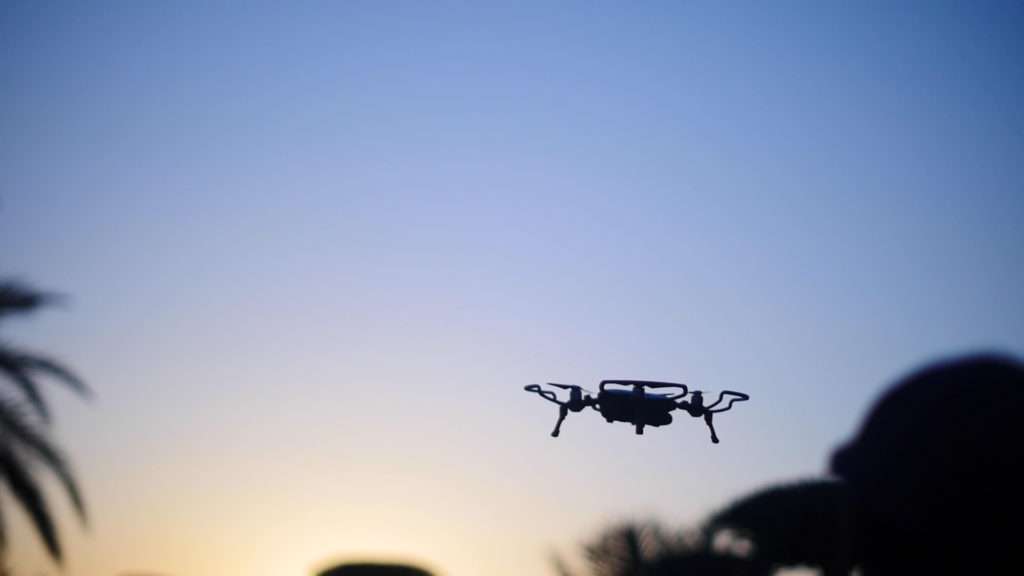
Drone videography Marrakech Morocco work adds a perspective no ground crew can capture — scale, landscape, and movement across terrain that would otherwise take hours to walk or drive. For a country with Marrakech’s medina density, the Atlas mountains, and the Agafay and Sahara deserts within reach, aerial footage isn’t a gimmick — it’s often the only way to actually show where a shoot is taking place.
Thank you for reading this post, don't forget to subscribe!What Drone Videography Involves in Morocco
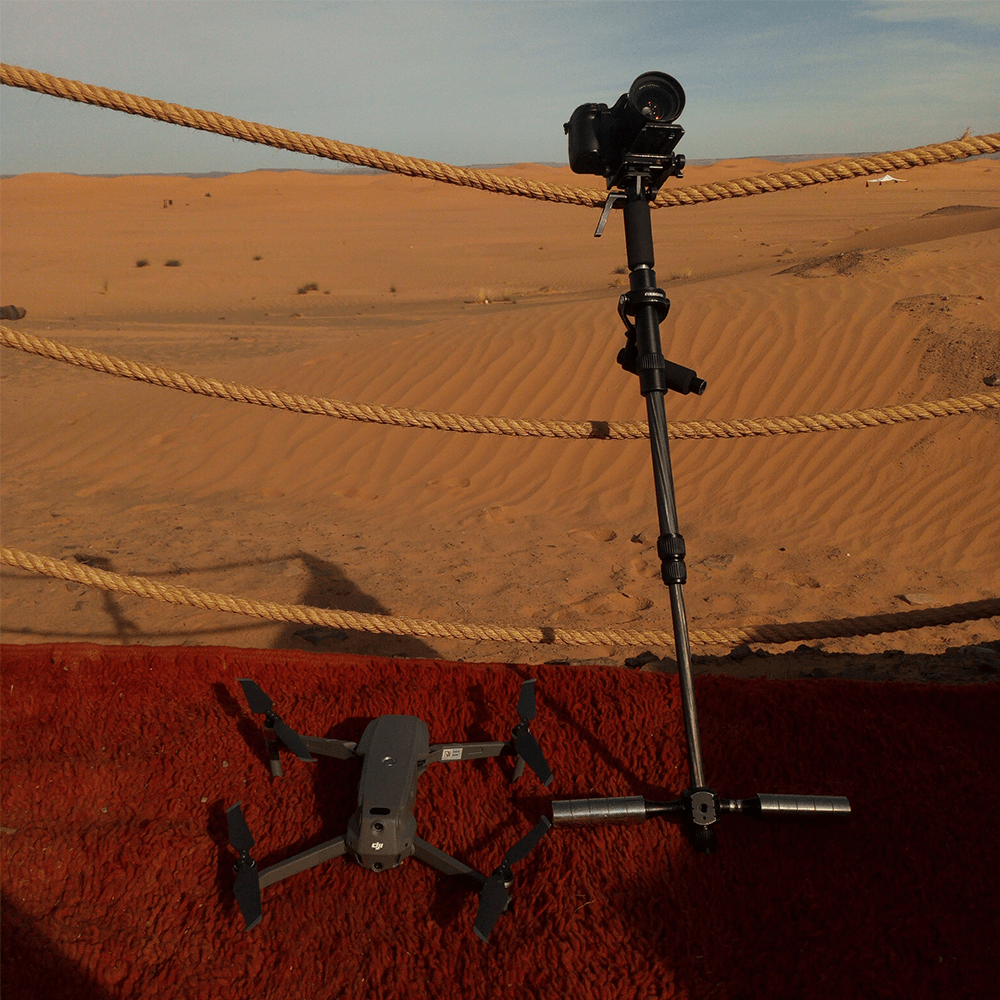
Aerial footage works best when it’s planned as part of the shoot from the start, not bolted on afterward. That means scouting locations with flight paths in mind, checking for restricted airspace near airports, government buildings, or sensitive sites (Morocco has real restrictions here, not just theoretical ones), and timing flights around light and weather — wind at altitude in the Atlas mountains behaves very differently than a calm morning in the medina. A drone operator working alongside a ground crew, rather than as a separate add-on, is what actually produces footage that cuts together with the rest of a production instead of feeling like stock aerial b-roll.
YAWK integrates drone footage into full productions — corporate films, event coverage, weddings, and tourism content — rather than offering it as a standalone service disconnected from the rest of the shoot. The aerial shots are planned to match the story being told on the ground, not captured separately and dropped in during editing.
Why YAWK for Drone Videography Marrakech Morocco Projects
Our Agafay Desert wedding coverage — see the project — used aerial footage to capture the scale of a desert ceremony that ground-level shots alone couldn’t convey. That same approach applies to hotel and riad productions, where an establishing aerial shot often does more to sell a property’s setting than any interior shot; see our hotel and riad video production guide for how that fits into a full property shoot.
The same director-led standard — outlined on our Philosophy page — applies to aerial work as much as any other part of a production: the drone shot has to serve the story, not exist for its own sake.
Where Drone Footage Makes the Biggest Difference
Some projects benefit from aerial footage more than others. Desert and mountain locations — Agafay, the Atlas range, Toubkal — are difficult or impossible to fully convey from the ground. Large-scale events, from weddings to sporting events like the ones covered in our event video production guide, often need an aerial shot to show scale that ground cameras can’t capture in a single frame. Hotel, riad, and real estate productions benefit from an establishing aerial shot that immediately communicates location and surroundings before the footage moves to ground-level detail.
Regulations and Planning for Drone Shoots in Morocco
Drone flight in Morocco is regulated, and restrictions exist around airports, military and government sites, and certain urban areas — this isn’t optional paperwork, it affects what’s actually possible to shoot and where. Planning a drone shoot means confirming airspace clearance before the shoot day, not discovering a restriction on location. This is part of why aerial footage works better as an integrated part of a planned production than a last-minute addition.
Contact YAWK for Drone Videography Marrakech Morocco Projects
If your project could benefit from aerial footage — a wedding, a hotel or riad production, a large event, or a corporate film needing scale and landscape — contact YAWK to discuss how drone footage fits into your specific shoot, including any location or airspace considerations for where you’re filming.
YAWK — video production company based in Marrakech, Morocco since 2013. contact@yawkteam.com — yawkteam.com
FAQ
Yes — YAWK integrates drone footage into corporate films, events, weddings, and tourism productions across Marrakech and Morocco.
Yes — our Agafay Desert wedding coverage used aerial footage to capture the scale of a desert ceremony that ground shots alone couldn’t show.
Yes — Morocco regulates drone flight around airports, government and military sites, and certain urban areas. We confirm airspace clearance as part of planning, not after arriving on location.
We integrate drone work into full productions rather than offering it disconnected from the rest of the shoot, so aerial footage matches the story being told on the ground.
Desert and mountain locations, large-scale events, and hotel/riad/real estate productions typically benefit most from an aerial establishing shot.